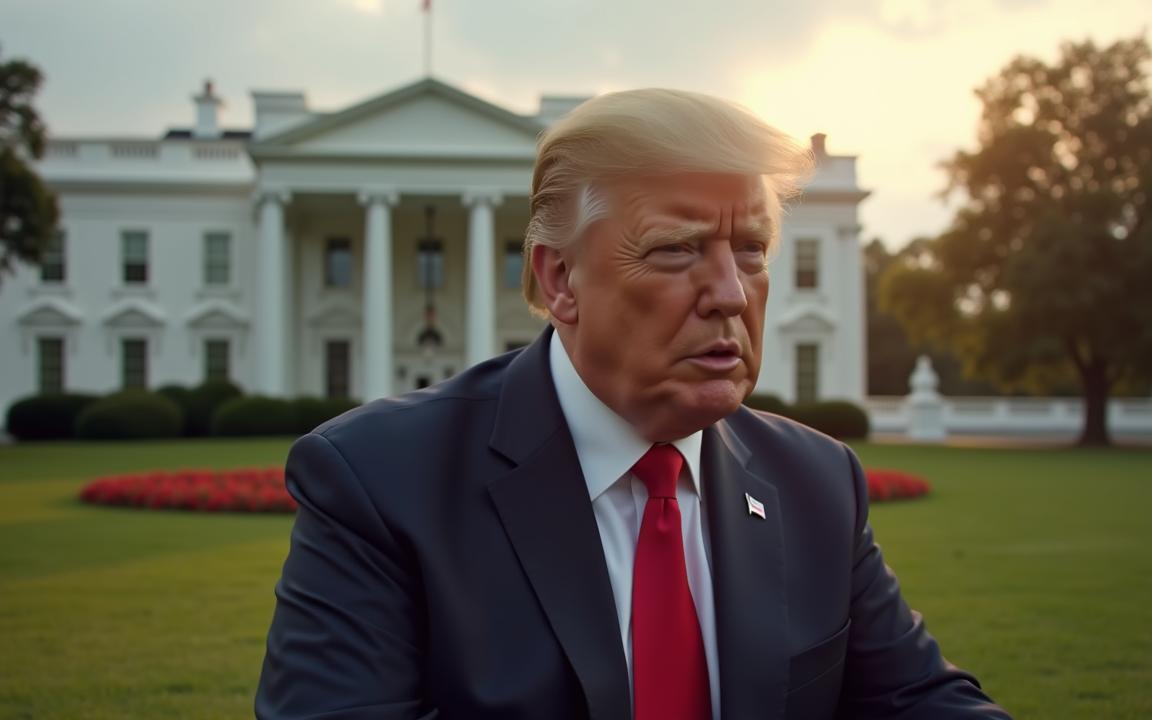
The future of the CHIPS Act is facing renewed scrutiny as former US President Donald Trump urges lawmakers to repeal the $52.7 billion subsidy program, citing concerns over its impact on federal debt.
Trump’s remarks, made during a speech to Congress, questioned the effectiveness of government-backed incentives, arguing that semiconductor companies should be incentivised through tariffs rather than taxpayer funds.
His call to scrap the CHIPS Act comes as industry giants like Taiwan Semiconductor Manufacturing Co (TSMC), Intel, and Samsung continue their aggressive US expansion plans, raising concerns about the potential implications for the semiconductor supply chain and national security.
Trump targets chip subsidies
Trump’s speech marked his strongest criticism yet of the CHIPS Act, a bipartisan initiative signed by then-President Joe Biden in August 2022.
The legislation allocated $39 billion in direct subsidies for semiconductor manufacturing and an additional $75 billion in government lending authority to strengthen domestic production.
Trump dismissed the program as “horrible,” asserting that companies are benefiting from government funds without meaningful returns for the economy.
The former president argued that repealing the act would allow Congress to reallocate any remaining funds toward reducing national debt.
Semiconductor investments at risk
Trump’s opposition to the CHIPS Act raises questions about the fate of major semiconductor investments already underway.
Since the act’s passage, the Biden administration secured commitments from the world’s largest chipmakers to establish or expand manufacturing facilities in the US.
Key awards include up to $7.86 billion for Intel, $6.6 billion for TSMC, and $4.75 billion for Samsung, all aimed at boosting domestic chip production to mitigate reliance on foreign suppliers.
TSMC, which had already planned a $40 billion investment in Arizona, recently announced an expanded $100 billion commitment to building five additional US chip plants.
With Trump questioning the validity of government subsidies, concerns are mounting over whether future funding commitments could be reversed.
Some officials fear that a policy shift under a new administration could lead to the invalidation of grant agreements issued under Biden’s leadership, potentially disrupting supply chain stability and domestic production goals.
Commerce Department job cuts
The uncertainty surrounding the CHIPS Act is already having tangible effects within the US government.
This week, about one-third of the staff overseeing the $39 billion in manufacturing subsidies at the Commerce Department was laid off, according to sources familiar with the situation.
The move comes as the Trump administration initiates a sweeping review of federal spending programs, including semiconductor subsidies.
Commerce Secretary Howard Lutnick has previously expressed support for the CHIPS Act but signalled that all funding agreements signed under Biden would be re-evaluated.
While he referenced TSMC’s $6.6 billion award at a White House event, he clarified that no new subsidies were currently planned for the company, despite its eligibility for a 25% manufacturing investment tax credit.
Industry backlash grows
The potential repeal of the CHIPS Act has triggered strong reactions from both industry leaders and state officials.
New York Governor Kathy Hochul defended the legislation, highlighting that it was a key factor in Micron’s $100 billion investment and the creation of 50,000 jobs in central New York.
Representative Greg Stanton, whose district in Arizona houses some of the largest semiconductor projects, called Trump’s stance a “direct attack” on the state’s chip industry, which has been bolstered by TSMC’s expanding presence.
As the semiconductor industry braces for potential policy changes, companies and investors are closely watching how legislative debates unfold.
With billions already committed to US manufacturing, any abrupt policy shift could have significant implications for global chip supply chains, national security, and economic competitiveness.
The post Why is Trump calling for a repeal of the $52.7 billion CHIPS Act? appeared first on Invezz